
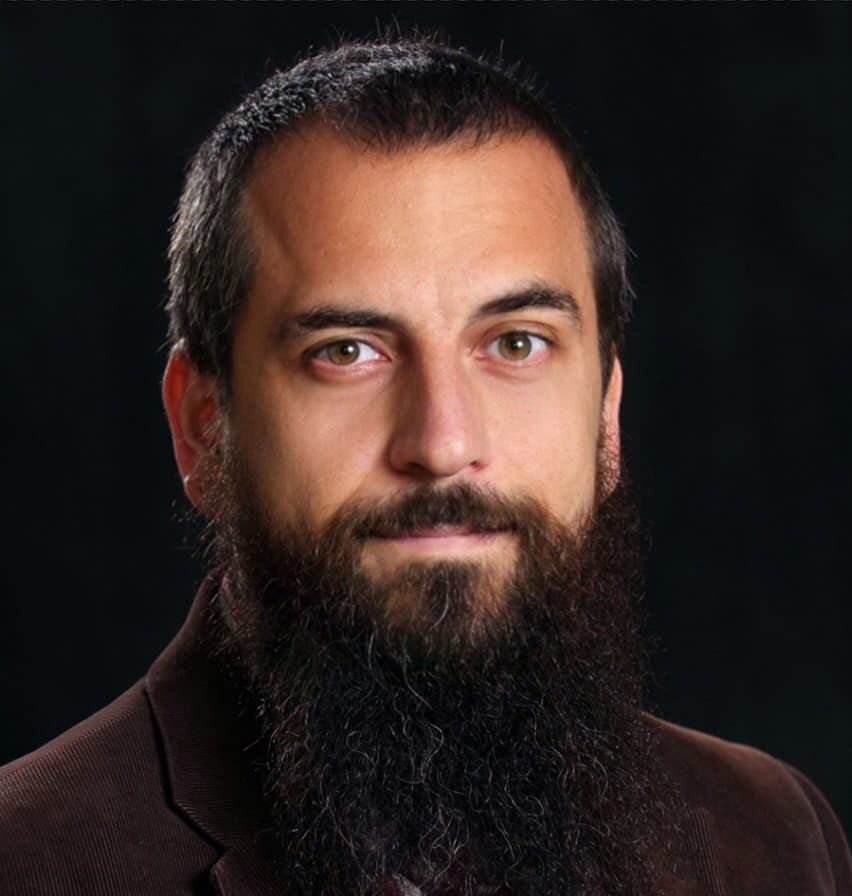
Roman V. Yampolskiy
Associate Professor · Founding Director, Cyber Security Lab · University of Louisville
Track
Superintelligence, uncontrollable AGI, and the AI control problemThe Rome workshop will bring together an international group of experts from AI safety, computer science, ethics, social science, theology, and the Vatican and Catholic institutional context for an intensive discussion of technological trajectories that may require moral limits.
Rather than treating AI ethics primarily as a question of mitigating harms after systems have been built, the workshop will ask whether there are directions of AI development that should not be pursued at all, or only under a demanding burden of proof. Three tracks will focus on the race toward AGI and superintelligence and the problem of meaningful human control; AI-driven automation, work, and human participation; and artificial companionship and the technological substitution of human relationships.
The aim is to identify both possible moral red lines and their pro-human alternatives: AI that remains controllable, strengthens rather than replaces human capacities, and remains ordered toward human dignity, relationship, participation, and responsibility.
Associate Professor · Founding Director, Cyber Security Lab · University of Louisville
Track
Superintelligence, uncontrollable AGI, and the AI control problem
Founding Director · Institute for the Future of Work
Track
AI-driven automation, human work, and the limits of technological substitution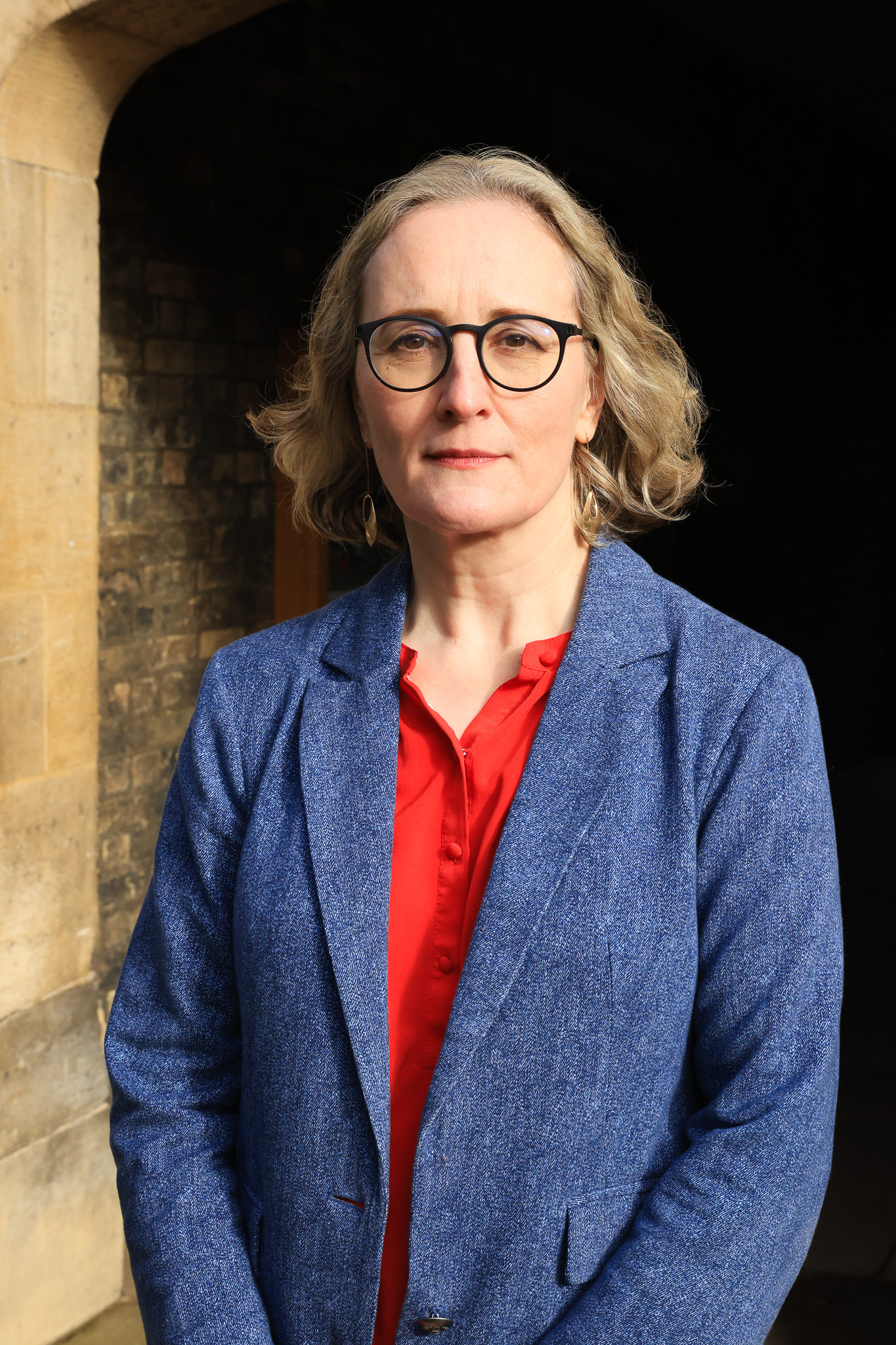
Professor of Experimental Social Psychology · University of Cambridge
Track
Human Relationships in the Age of AI: Social Connection and Artificial CompanionshipAdditional participants and speakers from AI safety, ethics, social science, theology, and Vatican and Catholic institutions will be announced as the programme is finalized.
The programme is provisional and may be updated. All times are local to Rome (CET).
Room: F007
Three thematic sessions. Each 85-minute session comprises a 35-minute keynote, a 10-minute response, a 5-minute keynote reply, and 35 minutes of moderated expert discussion.
–
–
Fr. Peter Lah, SJ
Dean, Faculty of Social Sciences, Pontifical Gregorian University
Dr. Octavian M. Machidon
University of Ljubljana / Pontifical University of St. Thomas Aquinas
Introduction to the workshop, the Moral Red Lines project and its framework.
–
Keynote: Roman V. Yampolskiy
University of Louisville, USA
Respondent: TBD
–
–
Keynote: Anna Thomas MBE
Founding Director, Institute for the Future of Work, UK
Respondent: TBD
–
–
Keynote: Prof. Simone Schnall
University of Cambridge, UK
Respondent: Fr. Andrea Ciucci
Chancellor, Pontifical Academy for Life
–
Keynote: Fr. Michael Baggot, LC
Pontifical Athenaeum Regina Apostolorum / Angelicum
Room: F103
A collaborative working session bringing together the insights from Thursday's discussions, with the aim of developing a short statement outlining moral boundaries and guiding principles for a genuinely pro-human development of AI.
–
Key insights and questions emerging from Thursday's three thematic sessions.
–
Open discussion of the main principles and proposed moral red lines concerning superintelligence, human work, and human relationships. Identifying areas of agreement and points requiring further reflection.
–
–
Review and refinement of a short preliminary draft, bringing together the principal conclusions and proposals for a pro-human direction in AI development.
–
Agreeing on final editorial revisions, voluntary endorsement, and publication of the Rome Statement.
Interest in participating
A limited number of places may be available for additional participants whose work is relevant to the themes of the workshop.
If you would be interested in attending, please send us a brief expression of interest. We will follow up individually as the programme is finalized.
Express interest in attendingThe underlying framework