
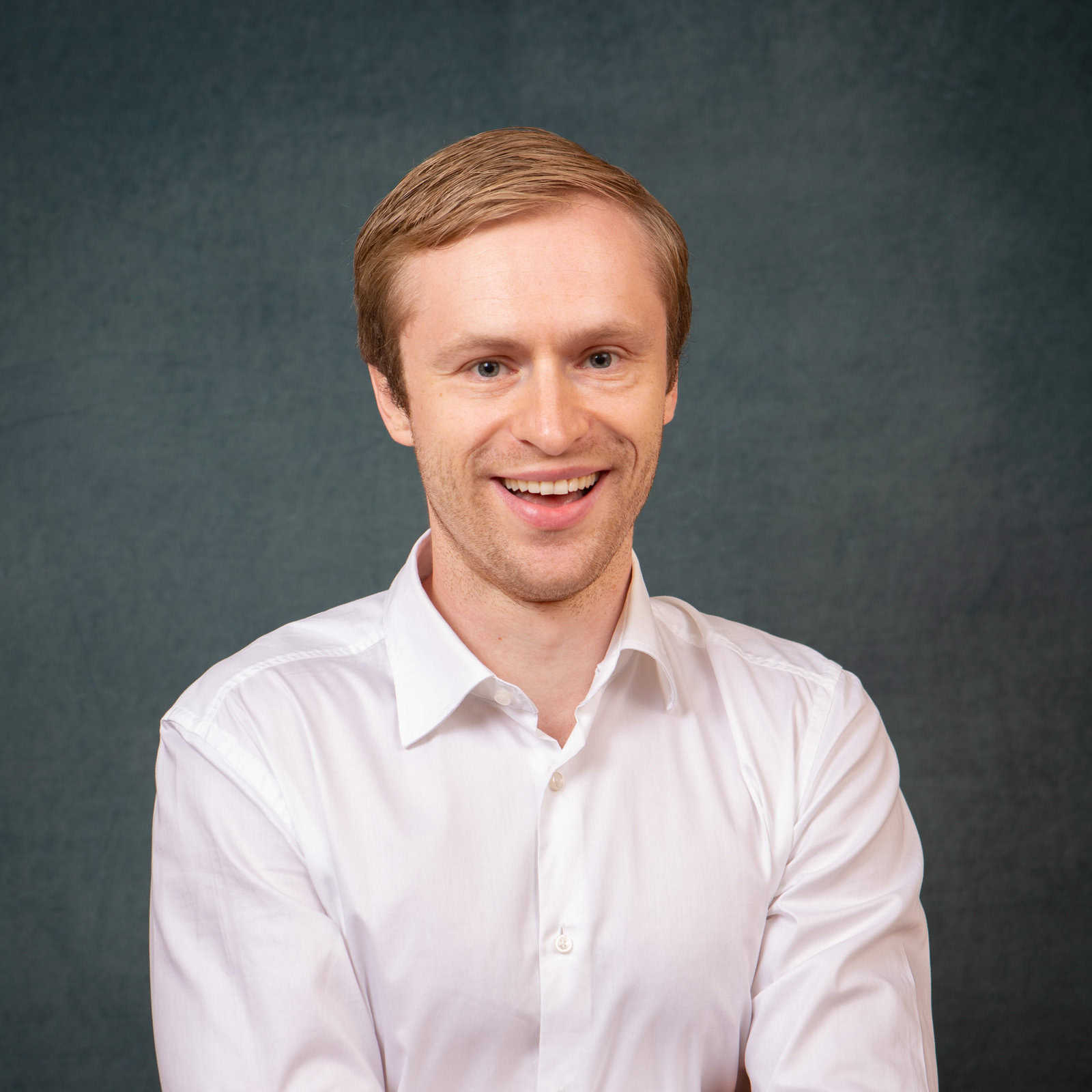
Risto Uuk
Head of European Policy and Research, Future of Life Institute · PhD researcher, KU Leuven
Topic
The Race toward AGI: Systemic Risks, Existential Threats, and the Need for Democratic ControlAs artificial intelligence moves toward increasingly autonomous and general-purpose systems, the debate can no longer concern only how AI should be regulated after deployment. It must also ask whether some technological trajectories require clear moral boundaries before they become difficult to reverse.
Held within this Commission on Ethics, the session will examine three connected dimensions of the AI race: systemic and potentially existential risks surrounding AGI and superintelligence; the growing use of conversational AI to simulate companionship and human relationship; and the challenge of translating these concerns into effective European governance. The discussion moves from technological risk, through Christian anthropology, to European AI governance, asking where Europe should draw moral boundaries for AI development in light of Magnifica Humanitas.
Three perspectives, one question: how should technological capability, Christian anthropology, and European governance come together to steer AI development and ensure a pro-human future?
Moderator: Friederike Ladenburger, Secretary of the COMECE Commission on Ethics
–
H.E. Bishop Anton Jamnik
President of COMECE Commission on Ethics
–
Octavian M. Machidon — University of Ljubljana and Pontifical University of St. Thomas Aquinas
Brief introduction to the project, why the discussion needs to move upstream from mitigating AI harms to asking what should or should not be built, and how the three contributions fit together.
–
Risto Uuk
Future of Life Institute / KU Leuven
–
Fr. Michael Baggot, LC
Pontifical Athenaeum Regina Apostolorum / Angelicum
–
Fr. Jean Gové
Pontifical Gregorian University / European Commission AI Act Scientific Panel
–
–
Moderated discussion
Discussion with the three speakers, Commission members and invited participants.
–
Rev. Prof. Emmanuel Agius
Moderator of the COMECE Commission on Ethics
Implications for Catholic moral discernment, European AI governance and the work of COMECE.
Head of European Policy and Research, Future of Life Institute · PhD researcher, KU Leuven
Topic
The Race toward AGI: Systemic Risks, Existential Threats, and the Need for Democratic Control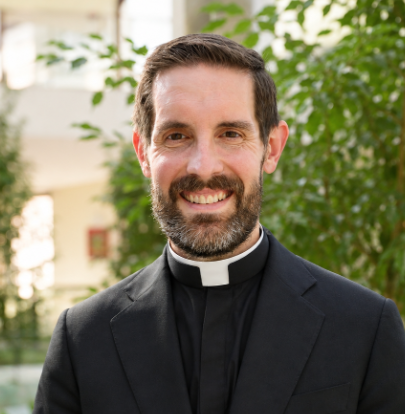
Professor of Bioethics, Pontifical Athenaeum Regina Apostolorum · Professor of Theology, Angelicum
Topic
AI and the Remaking of the Human: Transhumanism, Artificial Companions, and Christian Anthropology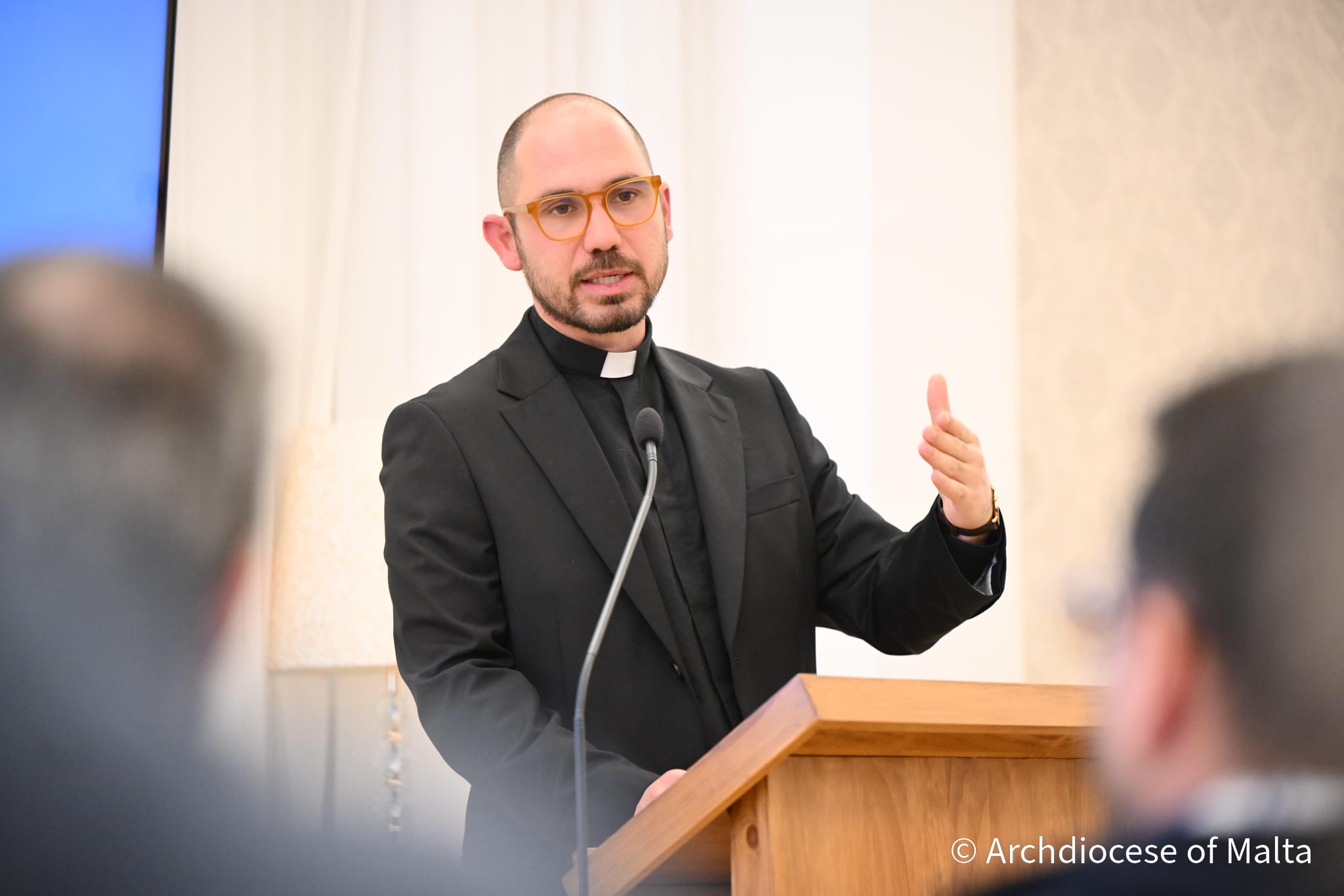
Adjunct Professor, Pontifical Gregorian University · Member, European Commission AI Act Scientific Panel · Coordinator, European AI Research Group, Vatican Dicastery for Culture and Education
Topic
Governing AI in Europe: The EU AI Act in the Light of Magnifica HumanitasInterest in participating
This is a targeted event taking place within the COMECE Commission on Ethics. A limited number of additional places may be available for interested representatives of public institutions, policy makers, civil-society organisations, NGOs, researchers, and other stakeholders working on AI governance, ethics, human dignity, or related fields.
If you would be interested in attending, you are welcome to submit a brief expression of interest. We will follow up individually regarding availability and participation.
Express interest in attendingThe underlying framework